
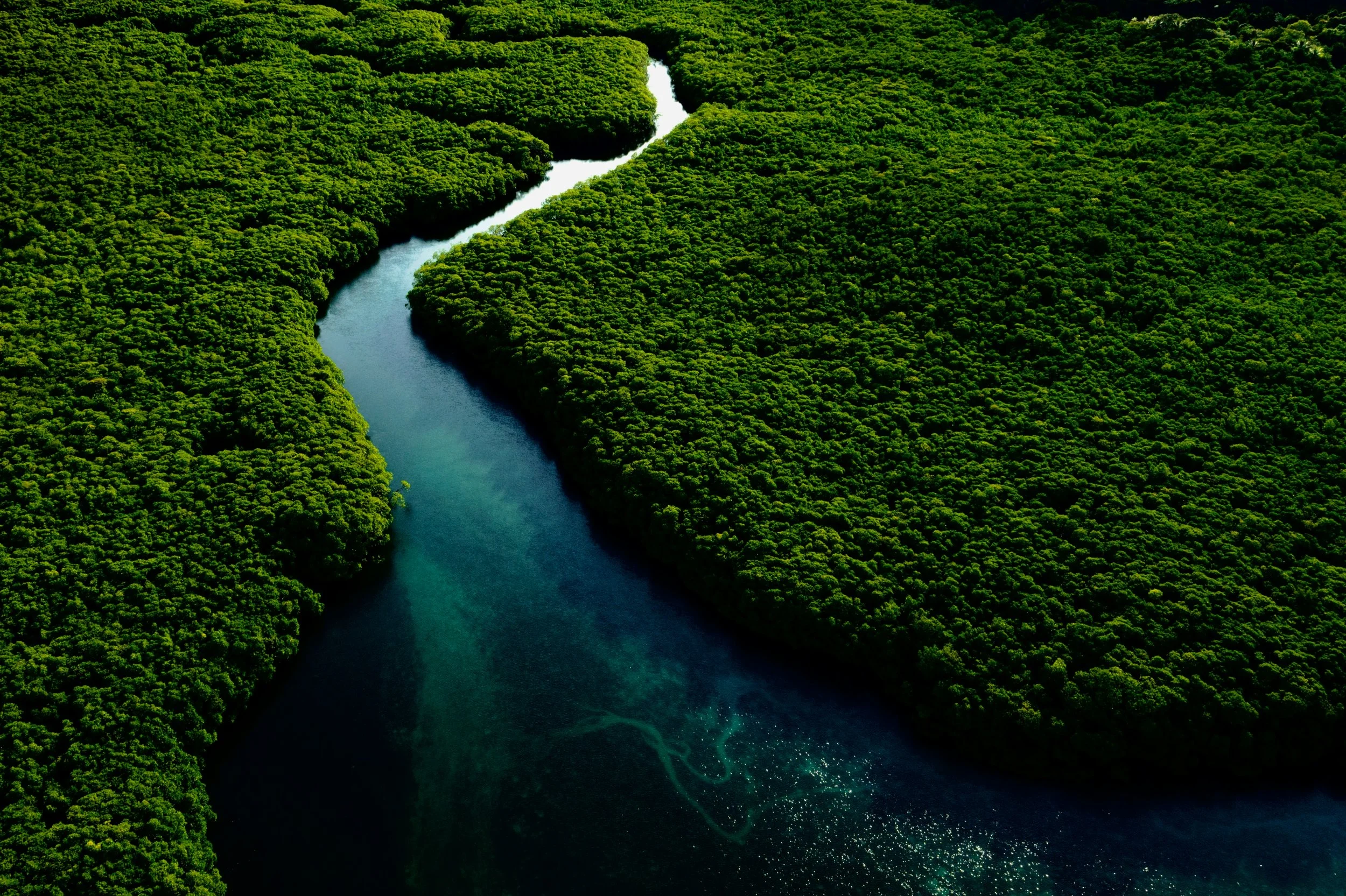
It's been a
long journey.
Conservation Wellness is not a concept I arrived at. It is something I lived through.
It's been a
long journey.
Conservation Wellness is not a concept I arrived at. It is something I lived through.

I came to Costa Rica from England sixteen years ago, at a point in my life when I needed somewhere to rebuild. My early years included time in foster care and family circumstances that shaped me long before I had the tools to understand them. What I couldn't process through conversation or logic, I eventually processed through the body, and that process became the foundation of everything I do now.
England gave me my beginning, and the education that shaped how I think. Costa Rica gave me the ability to actually live it. I consider myself the adopted child of this land, and everything I build here is, in its own way, in service of it.
Wellness has been part of my life since long before I had language for it. I graduated from St Mary's University, London, UK, an institution that has shaped some of the UK's most recognised names in elite sport and fitness, with a degree in Sports Science and Nutrition. For eight years I played rugby at a competitive level, and played wing, known for my pace, I became my club's top try scorer and trained alongside the Costa Rican national team. It taught me more about the body under real pressure than any textbook could.
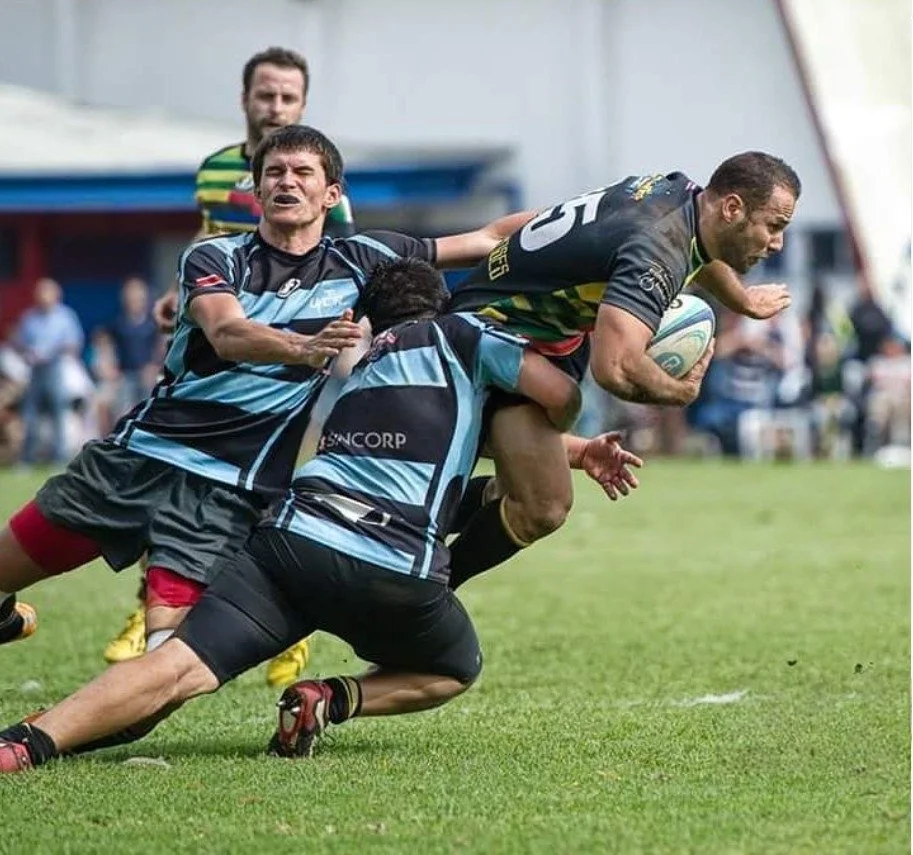
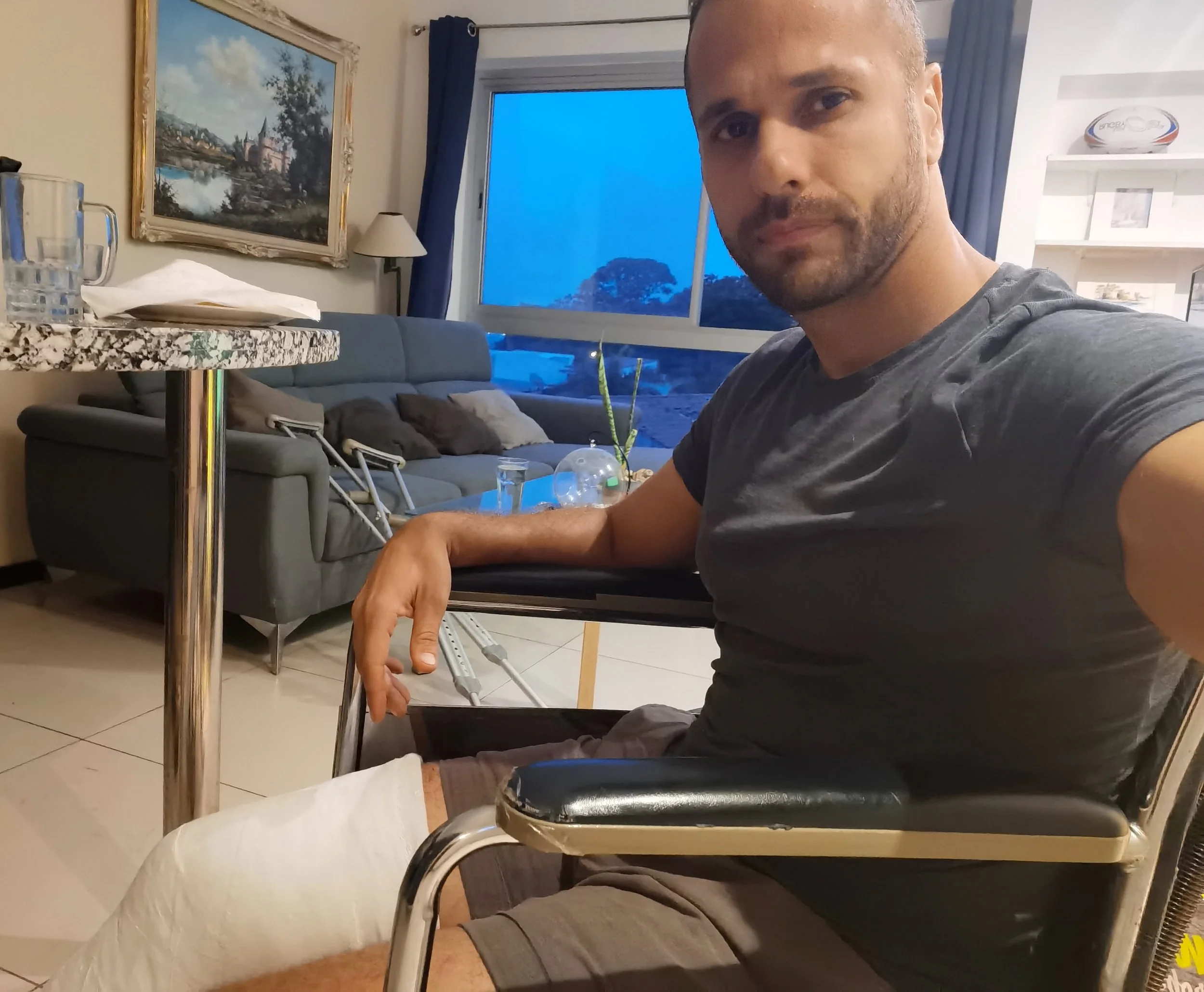
In 2022, that career ended on the field, not by choice. I broke my leg in two places, went through surgery, and came out of it in a wheelchair for six months. It took thirteen months from that day to walk again without help.
Breathwork and meditation weren't a wellness trend I picked up afterward. They were what got me through the actual recovery: the months of not knowing if I'd walk normally again, the identity of an athlete stripped down to a body that had to relearn everything from the ground up. Reconnecting with my Indian heritage, and the practices in it my Western training had never covered, is what carried me through a period logic and physiotherapy alone couldn't reach.
That recovery, not a plan I made, is the real reason I retired from competitive rugby and became a full-time wellness practitioner. I lived firsthand what those practices can do for someone going through something the mind can't reason its way out of, and I built the rest of my life around that.
I didn't leave wellness when that chapter closed. I went deeper into it. What I found in breathwork and meditation wasn't a contradiction to my scientific background. It was the other half of it.
That dual grounding, Western physiology and Eastern practice, evidence and embodiment, is what shaped fifteen years of somatic work, and it's what makes Conservation Wellness a standard rather than a slogan. I didn't arrive at this from theory. I arrived at it from two disciplines that, put together, left only one conclusion.
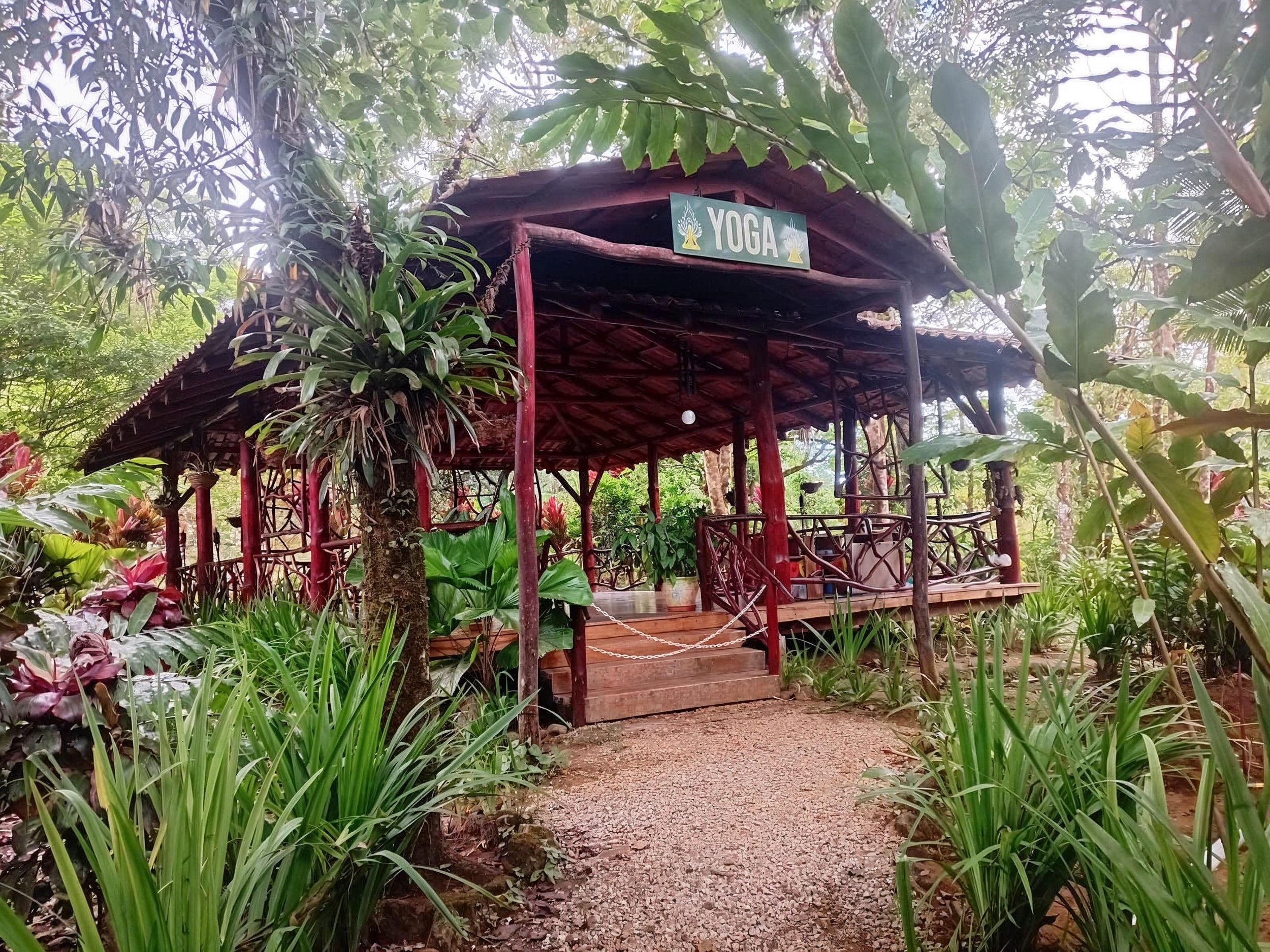
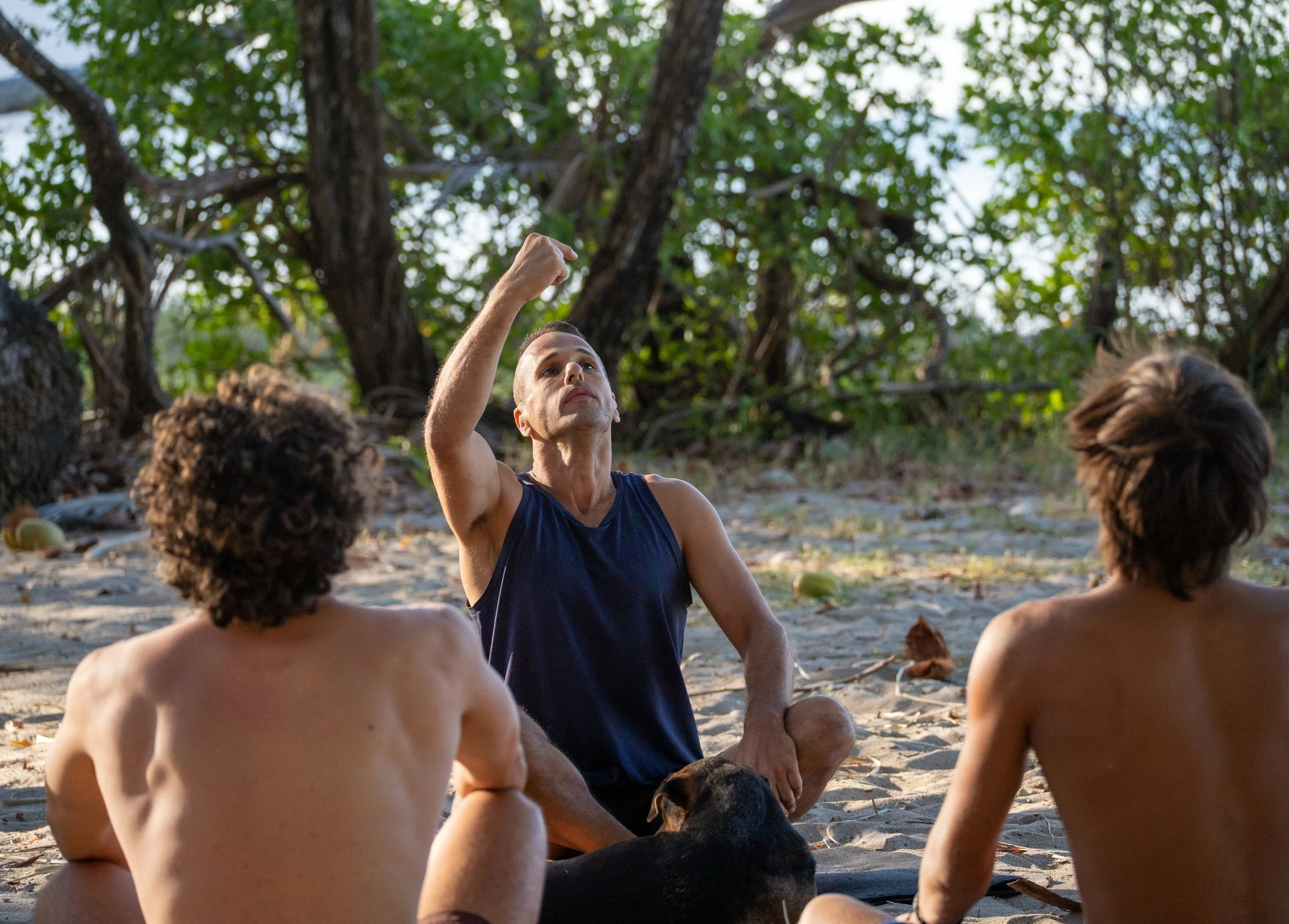
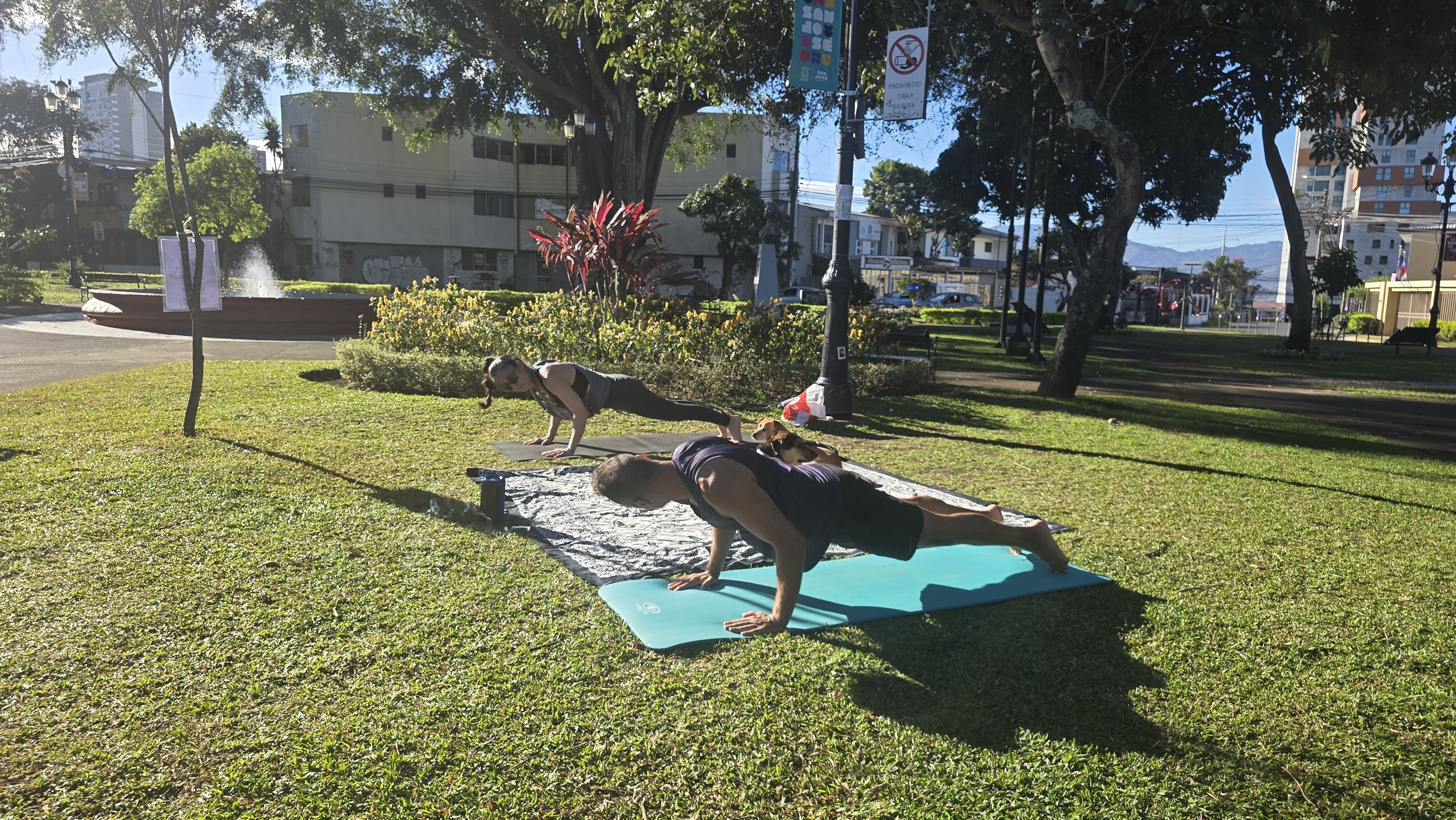
Soon after retiring, I became a full-time wellness practitioner. I led breathwork and yoga retreats at properties like Blue River Resort in Rincón de la Vieja, and worked one-on-one with clients across Santa Teresa and San José, extending into towns like Monteverde along the way. Wherever I went, I brought the same integrative approach, Western science and Eastern practice combined, adapted to what each individual needed to meet their own health goals.
That work took me to nearly every corner of this country, long before Conservation Wellness existed as an idea. Costa Rica did not teach me this in one place. It taught me across all of them, gradually, over years, through the kind of consistent, direct contact with nature that no single retreat or session could replicate.
That is what fifteen years of somatic practice taught me to understand scientifically. And it is what I had already lived before I had the language for it.
None of that recovery happened in a controlled room. It happened outdoors, across the same rivers, forests, and coastlines that carried fifteen years of practice, wherever in this country the work took me. That's not incidental to Conservation Wellness. It's the reason the Osa Peninsula, one of the most biodiverse stretches of land on the planet and now under real pressure, is where I chose to build it.
The mechanism itself came from a specific frustration, not a general one. When I started looking closely at how wellness properties actually handle the conservation claims on their own websites, most could describe the gesture but not the outcome, no figure, no NGO named, no way for a guest to check whether anything had actually moved. I'd already spent fifteen years working with people whose bodies had been failed by vague promises. I wasn't willing to build a brand that did the same thing to the land that helped put mine back together. That's the actual line between Conservation Wellness and a page that just says the right things: whether a guest, a practitioner, or an NGO can check the claim, not just read it.
Wellness brands say they support conservation constantly. Almost none of them can show you where the money goes, how much of it arrives, or whether it arrives at all. Conservation Wellness exists because I was no longer willing to accept a vague gesture in place of a verified outcome, for myself, or for the guests and practitioners who trust the properties we certify.
The mechanism is simple by design. Every certified touchpoint, every session, every stay, carries a flat contribution of $25, paid directly to a partner NGO. Conservation Wellness's own revenue, from certification fees, practitioner licensing, training, and corporate partnerships, is structurally separated from that donation. Nothing is deducted. Nothing is blended. The contribution reaches the NGO in full, every time.
That structure is being tested right now, in the open, on the Osa Peninsula, against organizations doing real frontline work. Certification with Conservation Wellness is not meant to fund a marketing claim. It's meant to fund them, directly, and on record, once the model has proven it actually works that way.
If you want to understand what this means for you specifically, choose below.
What to Expect